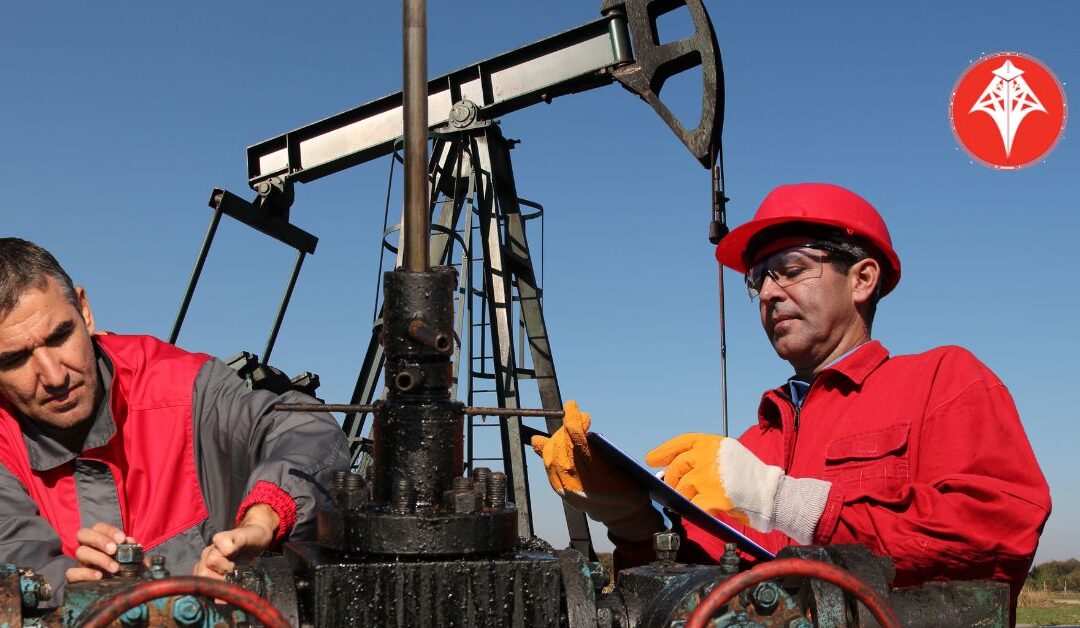
The energy landscape is shifting rapidly. As we navigate 2026, the Oilfield Workforce faces a transformative period. Companies like Norton Energy are leading the way in balancing historical expertise with modern innovation. Understanding these shifts is vital for anyone operating in the Permian Basin.
Explore career opportunities with Norton Energy and join a team that values safety and hard work!
Oil Field Careers with Norton Energy Drilling
What Is the Current State of the Oilfield Workforce?
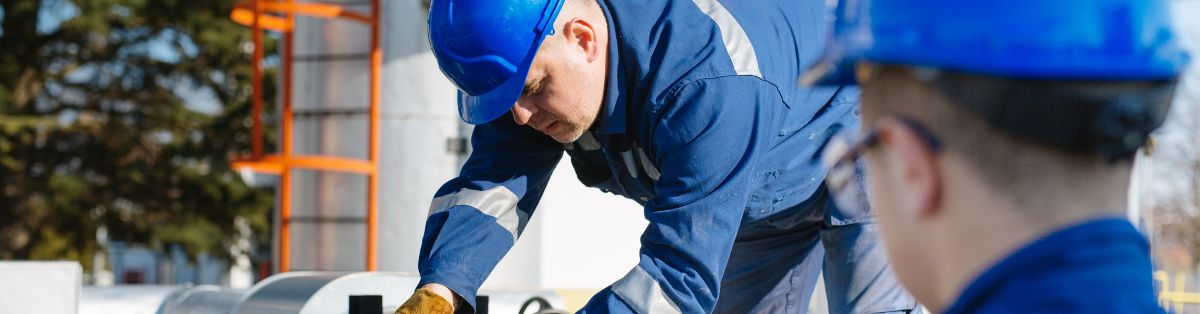
The current Oilfield Workforce is defined by high demand but limited supply. While drilling activity in Texas remains strong, finding qualified personnel is a constant hurdle. This talent gap creates a competitive environment for every rig active in the field today.
Key Talent Shortages and Their Main Causes
Significant gaps exist in technical and managerial roles. The Oilfield Workforce lacks enough experienced rig managers and specialized engineers. This is largely due to market volatility and the “silver tsunami” of retiring veterans leaving the industry simultaneously.
Discover how new rig technologies are taking oil drilling to new heights.
New Oil Rig, New Heights
How the Energy Transition Impacts Oilfield Talent

The global shift toward renewables has created a perception challenge for the Oilfield Workforce. Many young professionals are choosing different paths, fearing the industry is outdated. We must prove that modern drilling is a high-tech, future-proof career choice.
Impacts of Shortages on Oilfield Operations and Safety
A thin Oilfield Workforce leads to project delays and increased pressure on active crews. More importantly, workforce gaps can elevate safety risks. Norton Energy mitigates this by fostering a rigorous safety culture for every member of the Oilfield Workforce.
Learn the ultimate safety tips to keep oil drilling operations secure and efficient.
Oil Drilling: Ultimate 7 Safety Tips
How the Oilfield Workforce Is Evolving Through Technology
The modern Oilfield Workforce is becoming more digitally literate. Roles now require a mix of mechanical skill and data analysis. Automated drilling controls and remote monitoring are changing what it means to be a “driller” in the 2020s.
Strategies: Upskilling and Reskilling Oilfield Workers
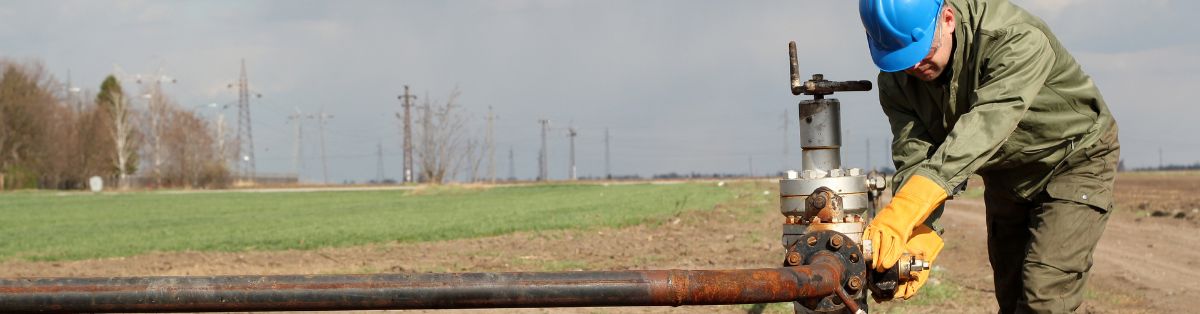
Upskilling is the most effective way to strengthen the Oilfield Workforce. By training existing staff on AC and hybrid rig technologies, companies bridge the skills gap internally. Reskilling talent from adjacent industries also provides a fresh influx of capable workers.
See how digitalization and automation are revolutionizing oil drilling.
Digitalization and Automation for Oil Drilling
The Role of Advanced Equipment in Bridging Gaps
Technology acts as a force multiplier for the Oilfield Workforce. Higher-spec rigs allow smaller crews to achieve more with less physical strain. This efficiency is critical for maintaining production levels when labor markets are tight.
Future Trends: AI and the Next Generation

We expect the Oilfield Workforce to increasingly rely on AI-assisted decision-making. Future trends point toward a leaner, more centralized operation. This evolution makes the industry more attractive to tech-savvy workers looking for cognitive challenges.
Explore the future of drilling technology and how it shapes the workforce.
The Future of Drilling Technology
Attracting Young Talent to the Oil Industry
Securing the future of the Oilfield Workforce requires highlighting our technological sophistication. Offering competitive packages, clear career paths, and cutting-edge tools is the only way to win the talent war. The industry’s survival depends on this next generation.
Recent Comments